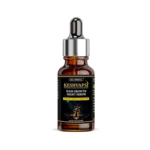

Finding strands of hair on your pillow, in the shower drain or on your comb can be worrying. If your hair is falling out more than usual, you are probably searching for the right hair treatment for hair fall.
Hair fall affects both men and women of all ages. In most cases it can be managed, and often improved, once you understand the cause and follow a consistent routine. This guide explains why hair falls out, which treatments help, and the habits that support hair fall control in the long run.
How Much Hair Fall Is Normal?
Losing 50 to 100 hairs a day is normal. Hair grows in cycles, and old hair sheds to make way for new growth.
Your hair fall may be a concern if:
- You see clumps of hair while washing or combing
- Your parting is getting wider
- Your ponytail feels thinner
- Your scalp is more visible than before
- Hair fall continues for more than 2 to 3 months
If any of these sound familiar, it is worth looking into the cause and starting a proper hair fall treatment.
Why Is My Hair Falling Out? Common Causes
The right hairfall support depends on what is causing the problem. These are the most common reasons:
- Physical or emotional stress can push more hairs into the shedding phase. This often shows up 2 to 3 months after a stressful event.
- Poor nutrition. Hair needs protein, iron, zinc, vitamin D and B vitamins. Crash diets and skipped meals can lead to visible hair fall.
- Hormonal changes. Pregnancy, childbirth, menopause, PCOS and thyroid problems are well-known triggers.
- Inherited pattern hair loss is a common cause of thinning in both men and women.
- Scalp problems. Dandruff, excess oil, itching and fungal infections can weaken hair roots.
- Harsh hair care. Frequent heat styling, chemical treatments, very hot water and tight hairstyles cause breakage and weaken the roots.
- Lack of sleep and an unhealthy lifestyle. Irregular sleep, smoking and dehydration all affect hair health.
- Medical conditions and medicines. Some illnesses and medications can lead to hair loss as a side effect.
Best Hair Treatment for Hair Fall: Options That Support Your Hair
No single treatment works for everyone. Most people get the best results by combining several approaches.
1. Address the Root Cause First
Treatment works best when it targets the cause. If hair fall is linked to a deficiency or a thyroid problem, correcting that comes first. A simple blood test can check your iron, vitamin D, B12 and thyroid levels.
2. Eat for Healthy Hair
Include these foods in your daily diet:
- Protein: eggs, lentils, paneer, fish, chicken, sprouts
- Iron: spinach, beetroot, dates, pulses
- Healthy fats: almonds, walnuts, flaxseeds
- Vitamin C: amla, oranges, lemon, guava
- Zinc: pumpkin seeds, chickpeas, whole grains
3. Natural and Herbal Support for Hair Fall
Herbs have long been used in traditional hair and scalp care. Common ingredients include:
- Bhringraj, traditionally known as the “king of hair”
- Amla, rich in vitamin C and antioxidants
- Brahmi, used for scalp nourishment and relaxation
- Ashwagandha, traditionally used to help the body manage stress
- Neem, known for its cleansing properties for the scalp
- Fenugreek (methi), commonly used in hair care
Herbal products usually work gradually, so give them at least 3 to 4 months of regular use before judging the results.
[Add your brand section here]: At Keshvapsi, we believe in [add your brand philosophy, e.g. a natural, consistent approach to hair care]. Explore our range designed to support hair fall care at keshvapsi.com.
4. Oiling and Scalp Massage
Regular oiling with a gentle head massage improves blood circulation and helps nourish the scalp. To do it right:
- Warm the oil slightly
- Massage your scalp with your fingertips for 5 to 10 minutes
- Leave it on for at least 1 hour (or overnight if your scalp allows)
- Wash with a mild shampoo
Avoid oiling too much if you have a very oily or dandruff-prone scalp, as it can make scalp problems worse.
5. Choose the Right Shampoo and Conditioner
- Use a mild, sulphate-free shampoo suited to your scalp type
- Wash 2 to 3 times a week, more often if your scalp is oily
- Apply conditioner to the lengths, not the scalp
- Never comb or brush aggressively when hair is wet, since wet hair breaks easily
6. Medical Treatments
If hair fall is severe, sudden or persistent, a dermatologist or trichologist may recommend treatments such as topical minoxidil, prescription medicines, PRP therapy or laser therapy. These should always be used under professional guidance.
Home Remedies to Support Hair Fall Control
These simple remedies can support your routine, though they are not a replacement for medical care when hair fall is severe.
- Onion juice: some people use it on the scalp for its sulphur content. Patch test first, since it can irritate.
- Aloe vera gel: soothing for the scalp and can help with dryness
- Amla and hibiscus hair mask: conditions hair and adds shine
- Fenugreek seed paste: traditionally used to support the scalp and reduce dandruff
- Coconut or sesame oil massage: helps reduce protein loss and dryness
Always do a patch test before applying anything new to your scalp.
Daily Habits for Hair Fall Control
Small daily habits make a big difference over time:
- Drink enough water throughout the day
- Get 7 to 8 hours of quality sleep
- Manage stress with yoga, meditation, walking or hobbies
- Avoid tight ponytails and buns
- Limit heat styling and chemical treatments
- Don’t wash your hair with very hot water
- Trim split ends regularly
- Use a wide-toothed comb, especially on wet hair
- Keep your pillowcase and combs clean
- Exercise regularly to support circulation
Common Mistakes That Make Hair Fall Worse
- Switching products every few weeks and never giving one enough time
- Skipping meals or following extreme diets
- Over-washing or under-washing the scalp
- Using too many styling products
- Ignoring dandruff and scalp itching
- Believing “miracle cure” claims that promise results in days
How Long Does Hair Fall Treatment Take?
Hair grows slowly, so patience is essential. Here is a realistic timeline:
- First 4 to 6 weeks: hair fall may begin to reduce, and the scalp feels healthier
- 2 to 3 months: less shedding is usually noticeable
- 4 to 6 months: new baby hairs may start to appear, and hair looks fuller
Results vary from person to person, and consistency matters more than any single product.
When to See a Doctor
Consult a doctor or hair specialist if:
- Hair fall is sudden or happens in patches
- Your scalp is red, painful, scaly or very itchy
- You have other symptoms like fatigue, weight changes or irregular periods
- Hair fall doesn’t improve after 3 to 4 months of proper care
- Hair fall began after starting a new medicine